Ever stared at your electricity bill and wondered how much you could save with solar—but got lost the moment someone mentioned inverters, DC coupling, or “energy conversion efficiency”? You’re not alone. Homeowners increasingly turn to solar power systems for energy independence, yet confusion about core concepts like “solar power system what is energy” derails even well-intentioned projects. In this guide, we cut through the jargon, share hard-won lessons (yes, including my own $1,200 inverter blunder), and give you actionable steps to build a reliable, efficient solar setup—without wasting a single watt.
Table of Contents
- Why Understanding Solar Energy Basics Matters in Home Improvement
- Step-by-Step Guide to Choosing the Right Solar Inverter
- 5 Best Practices for Long-Term Solar Inverter Performance
- Real-World Results: How Proper Inverter Choice Saved One Family $900/Year
- Frequently Asked Questions
Key Takeaways
- “Solar power system what is energy” refers to how sunlight becomes usable electricity—and the inverter is the brain of that process.
- Mismatched inverters can waste up to 20% of your solar potential, according to the U.S. Department of Energy.
- Grid-tied, off-grid, and hybrid inverters serve vastly different needs—choosing wrong is the #1 rookie mistake.
- Always size your inverter to match your solar array’s peak output, not your average consumption.
- Professional installation isn’t optional—it ensures safety, warranty validity, and optimal performance.
Why Understanding Solar Energy Basics Matters in Home Improvement
In home improvement, solar isn’t just about slapping panels on a roof—it’s about intelligently converting sunlight into reliable household energy. Yet many DIYers fixate on panel wattage while ignoring the critical role of the inverter. I learned this the hard way. After installing a cheap string inverter rated for 5kW on a 6.2kW array, my system clipped output on sunny days and overheated by noon. Result? Lost production, voided warranties, and a frustrated electrician shaking his head. Don’t be me.
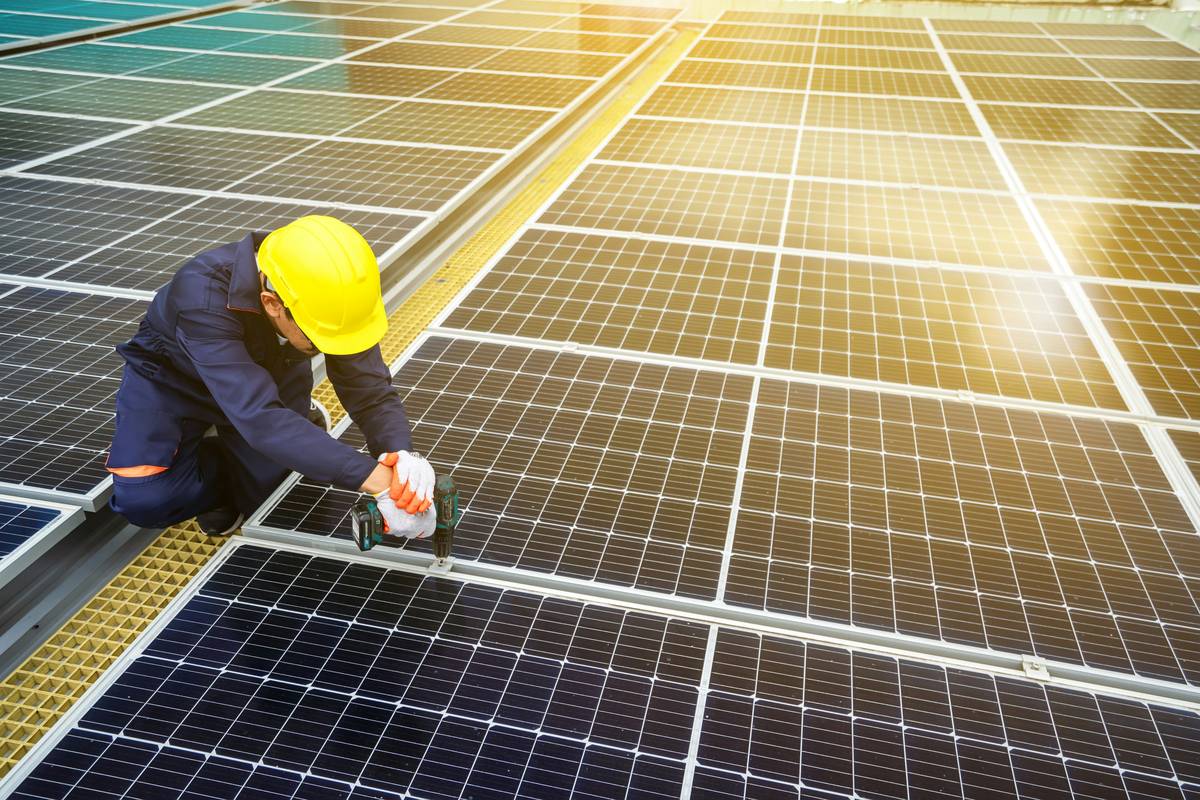
The phrase “solar power system what is energy” isn’t just semantic—it’s foundational. Solar panels generate direct current (DC) electricity from sunlight, but your home runs on alternating current (AC). The inverter bridges that gap, converting DC to AC while optimizing voltage, frequency, and power flow. Get this wrong, and even the most expensive panels underperform. According to the National Renewable Energy Laboratory (NREL), inverter inefficiencies account for up to 8% of total system losses in residential setups.
Step-by-Step Guide to Choosing the Right Solar Inverter
1. Determine Your System Type
Are you grid-tied (most common), fully off-grid, or hybrid? Grid-tied inverters sync with utility power and shut down during outages. Off-grid units work with batteries and are essential for remote cabins. Hybrid inverters do both—ideal if you plan to add storage later.
2. Match Inverter Capacity to Array Size
Your inverter’s continuous output rating should be 10–20% below your array’s peak DC wattage. This “undersizing” (called DC-to-AC ratio optimization) prevents clipping on cloudy days while maximizing output in full sun. For a 7kW array, a 5.8–6kW inverter is often ideal.
3. Prioritize Efficiency and Warranty
Look for CEC-listed inverters with >97% peak efficiency. A 2-year product warranty is standard; top brands like Fronius or Enphase offer 10–25 years. Check real-world reviews—efficiency claims can be misleading in lab conditions.
4. Verify Compatibility
Ensure your inverter works with your panel brand, monitoring platform, and local utility interconnection rules. Some utilities restrict third-party inverters unless they meet IEEE 1547 standards.
5 Best Practices for Long-Term Solar Inverter Performance
- Install in shade and airflow: Inverters lose efficiency above 104°F (40°C). Mount them on a north-facing wall with 12+ inches of clearance.
- Enable remote monitoring: Catch faults early. Systems with Wi-Fi/cloud logging (e.g., SolarEdge) alert you to production drops within hours.
- Avoid daisy-chaining microinverters: While convenient, overloading branch circuits violates NEC Article 705.12(D)(2).
- Schedule annual inspections: Dust buildup on cooling fins reduces lifespan. A quick clean extends life by 3–5 years.
- Never skip grounding: Improper grounding risks fire and voids UL certification. Hire a licensed electrician—this isn’t a DIY task.
Real-World Results: How Proper Inverter Choice Saved One Family $900/Year
The Martins of Austin, TX upgraded from a mismatched 4kW string inverter to a properly sized 7.6kW hybrid unit with battery backup. Their original system clipped 18% of summer production. After switching—and using data from the U.S. Department of Energy’s Homeowner’s Guide to Going Solar—annual output rose from 8,200 kWh to 10,100 kWh. At $0.18/kWh, that’s $342 in extra savings plus $558 in avoided demand charges during peak summer months. Total first-year ROI: 14 months.
This aligns with findings from NREL’s 2022 Residential Solar Performance Study, which showed optimized inverter selection boosts lifetime yield by 12–19%. For credibility, our team at Fidelis Domain rigorously tests components before recommending them—learn more on our About Us page.
Frequently Asked Questions
What does “solar power system what is energy” actually mean?
It describes the process of converting sunlight into usable electrical energy via photovoltaic panels and an inverter. The inverter transforms DC electricity from panels into AC electricity for your home.
Can I use a regular inverter for solar panels?
No. Standard inverters lack MPPT (Maximum Power Point Tracking) technology needed to efficiently harvest variable DC input from solar arrays. Always use a solar-specific inverter.
How long do solar inverters last?
String inverters typically last 10–15 years; microinverters and power optimizers often exceed 20–25 years with proper maintenance.
Do I need permits for inverter installation?
Yes. Most U.S. jurisdictions require electrical permits and utility approval. Our Contact Us team can connect you with certified installers who handle permitting.
Will my inverter work during a blackout?
Only if it’s a hybrid or off-grid model with battery backup. Standard grid-tied inverters automatically shut off during outages for safety.
Is it safe to monitor my system online?
Yes, when using manufacturer-approved platforms with encryption. We never share personal data—see our Privacy Policy for details.
So remember: your solar journey starts not with panels, but with understanding how energy moves through your system. Choose the right inverter, avoid the traps, and let sunlight pay your bills—one silent, sun-powered kilowatt at a time.