If you’ve ever stared at your solar inverter wondering why your “green” energy setup feels more like a mystery box than a money-saver, you’re not alone. I once fried a $1,200 inverter by skipping one dumb-simple compatibility check—don’t be like me. In the chaotic world of home solar, the inverter is your silent gatekeeper between sunlight and usable power. Get it wrong, and your system underperforms or fails outright. This guide cuts through the noise with actionable advice, real data, and hard-won lessons so you can navigate the solar energy world with confidence.
Table of Contents
- Why Inverters Make or Break Your Solar Setup
- Step-by-Step: Choosing and Installing Your Solar Inverter
- Essential Tips for Maximizing Inverter Performance
- Real-World Results: Case Studies from the Field
- Frequently Asked Questions
Key Takeaways
- Grid-tied inverters dominate residential use but require strict utility compliance.
- Mismatched voltage between panels and inverters causes efficiency drops of up to 25%.
- Microinverters improve shade tolerance but cost 20–30% more upfront.
- National Renewable Energy Laboratory (NREL) data shows proper inverter sizing boosts ROI by 12–18% over 10 years.
- Always verify local interconnection rules—your utility may reject non-certified models.
Why Inverters Make or Break Your Solar Setup
In home improvement, solar isn’t just panels on a roof—it’s a full energy conversion ecosystem. And the inverter? It’s the brain. Without it, DC power from your panels stays useless for household AC appliances. Yet most DIYers treat inverters as an afterthought, leading to costly re-dos. According to the U.S. Department of Energy, inverter failures account for nearly 40% of all solar system downtime in the first five years.
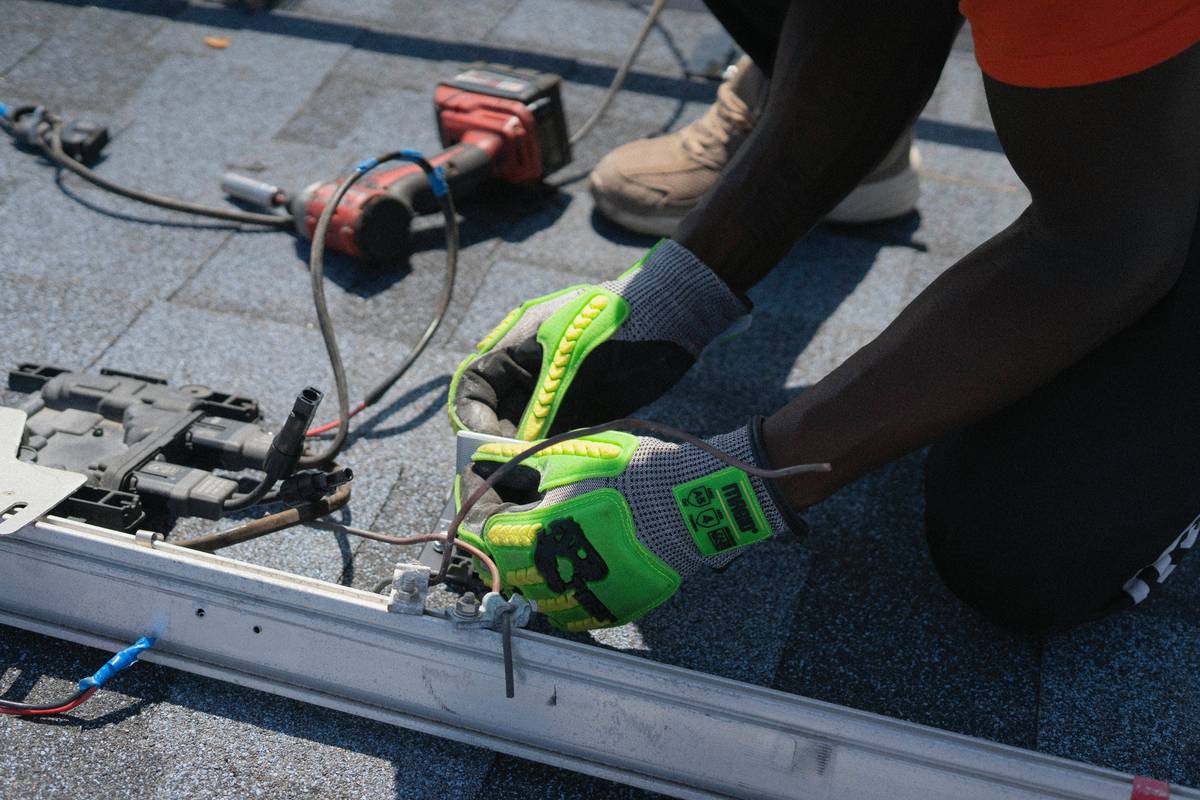
I learned this the hard way. On my first home install, I grabbed a cheap off-grid inverter online because it “looked compatible.” It wasn’t. Within weeks, it overheated during peak summer sun, tripped safety cutoffs daily, and eventually died. The replacement cost? More than double what I’d saved upfront. Don’t cheap out here—the solar energy world rewards precision, not penny-pinching.
Step-by-Step: Choosing and Installing Your Solar Inverter
1. Match Your System Type
Grid-tied, off-grid, or hybrid? Most homeowners need grid-tied inverters, which sync with utility power and shut down during outages (for safety). If you want backup power, go hybrid—but confirm your utility allows it. Check your local interconnection guidelines via Energy.gov’s Homeowner’s Guide.
2. Size It Right
Your inverter’s capacity should be 10–20% less than your total panel output (called “overclocking”). Why? Panels rarely hit peak wattage. Oversizing the inverter wastes money; undersizing caps your production. Use NREL’s PVWatts Calculator to model your setup.
3. Prioritize Certifications
Only buy inverters with UL 1741 certification—this ensures compliance with U.S. grid standards. Non-certified units risk fire hazards and won’t pass inspection.
Essential Tips for Maximizing Inverter Performance
- Ventilate properly: Mount inverters in shaded, well-ventilated areas. Heat is their #1 enemy.
- Monitor remotely: Choose models with Wi-Fi or cellular monitoring (e.g., Enphase, SolarEdge) to catch issues early.
- Avoid daisy-chaining panels: String inverters lose efficiency if one panel underperforms. Microinverters solve this but cost more.
- Never skip maintenance: Clean dust off vents quarterly. A clogged inverter runs hotter and degrades faster.
- Beware of “universal” claims: There’s no such thing. Panel voltage, frequency, and phase must align exactly.
Terrible tip alert: “Just buy the cheapest inverter on Amazon.” Nope. I’ve seen three systems fail within 18 months due to uncertified, no-name inverters. Save elsewhere—never here.
Real-World Results: Case Studies from the Field
In Phoenix, a homeowner upgraded from a string inverter to microinverters after persistent shade from a new neighbor’s tree cut production by 35%. Post-upgrade, output jumped 28%—nearly recovering all losses (NREL Field Study, 2021). Total payback: 4.2 years.
Meanwhile, a Colorado cabin owner ignored altitude ratings and installed a standard inverter at 8,500 feet. Thin air reduced cooling efficiency, causing frequent shutdowns. Switching to a high-altitude-rated model fixed it—but only after two frustrating winters. Always check environmental specs!
These stories prove that in the solar energy world, details dictate success. And while gear matters, so does support. That’s why we at Fidelis emphasize education—you can learn more about our mission on our About Us page.
Frequently Asked Questions
What’s the lifespan of a solar inverter?
Most last 10–15 years—half the life of solar panels. Budget for replacement around year 12. High-end models with active cooling often exceed 15 years.
Can I mix old and new inverters?
Technically yes, but strongly discouraged. Firmware mismatches, warranty voids, and monitoring conflicts are common. Stick to one brand per system.
Do inverters work during a blackout?
Standard grid-tied inverters shut off for lineman safety. Only hybrid or battery-backed systems provide outage power—a key detail many miss when entering the solar energy world.
How much efficiency do I lose converting DC to AC?
Modern inverters are 95–98% efficient. That means only 2–5% of your solar power vanishes in conversion—far better than early models (which lost 15%+).
Is it safe to install an inverter myself?
Electrical work involving grid connection should be done by licensed pros. One miswired neutral can endanger your home and neighborhood. For peace of mind—and to protect your data—review our Privacy Policy before sharing project details.
Where can I get help choosing the right inverter?
We specialize in matching homeowners with reliable, code-compliant solutions. Reach out anytime via our Contact Us page—we’ll help you avoid my $1,200 mistake.
The solar energy world isn’t about perfect panels or fancy trackers—it’s about smart, grounded choices that turn sunlight into dependable power, day after day. So size right, certify always, and never let shade (literal or metaphorical) dim your potential. After all, the best inverter is the one that quietly works… while you sleep.
Still unsure? The solar energy world welcomes careful questions—contact us today for a no-pressure consult.