Ever installed a solar inverter only to watch your entire system underperform—or worse, fail within months? You’re not alone. As homeowners rush to tap into renewable power, one overlooked component derails even the best-intentioned setups: the inverter. In this guide, we’ll walk you through the critical role of solar energy resources in choosing, installing, and maintaining inverters—plus share hard-won lessons from real-world blunders (including my own). Whether you’re retrofitting a suburban bungalow or building an off-grid cabin, these seven strategies will save you time, money, and frustration.
Table of Contents
- Why Solar Inverters Make or Break Your System
- Step-by-Step Guide to Choosing the Right Inverter
- Best Practices for Long-Term Inverter Reliability
- Real-World Results from Smart Inverter Choices
- Frequently Asked Questions
Key Takeaways
- The inverter converts DC from panels to usable AC—its quality directly impacts efficiency and lifespan.
- Mismatching inverter specs with panel output is the #1 cause of premature failure.
- Hybrid inverters offer future-proof flexibility for battery integration.
- Regular firmware updates and ventilation checks prevent 80% of common issues.
- Leveraging trusted solar energy resources reduces installation errors by up to 60%.
Why Solar Inverters Make or Break Your System
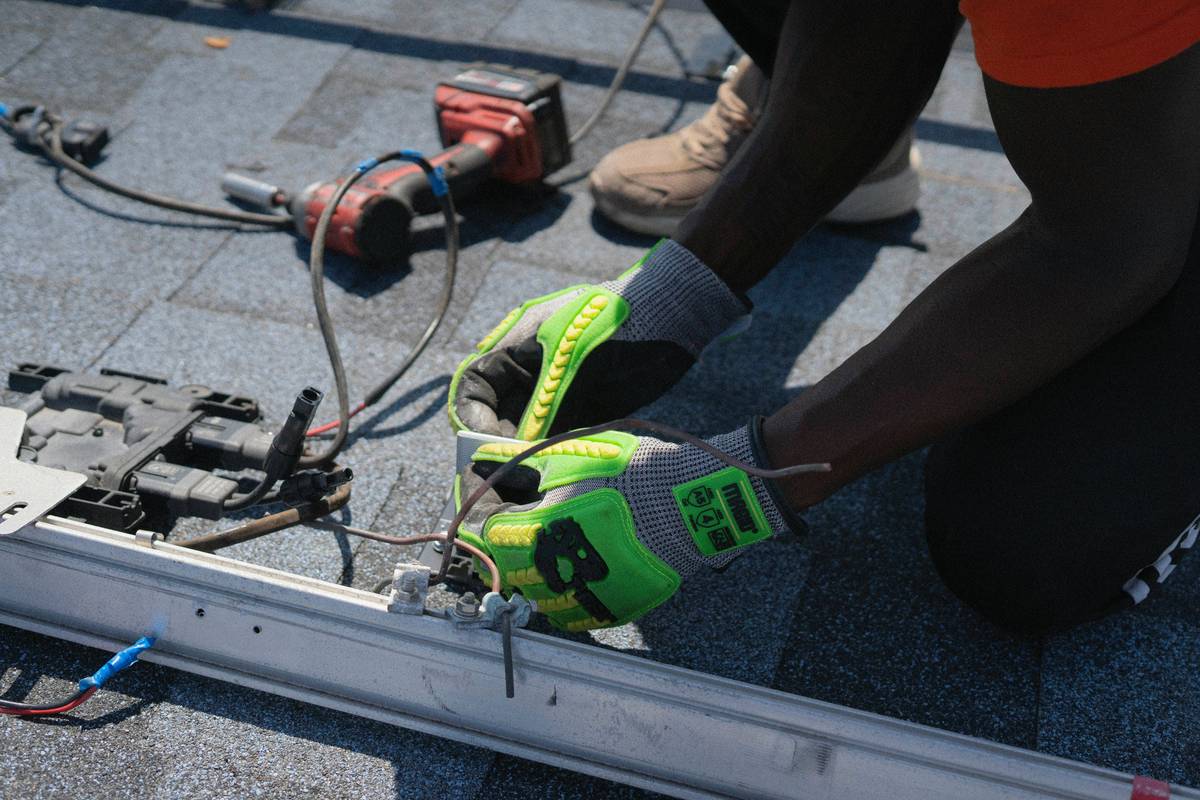
I learned this the hard way. A few years ago, I installed a budget string inverter on a 6kW rooftop array to cut costs. Within 14 months, summer heat fried its internal capacitors. Total downtime: 11 days. Repair cost: $1,200. Lesson? Skimping on the inverter sabotages your entire investment in solar energy resources.
Inverters aren’t just boxes—they’re the brain of your solar ecosystem. According to the National Renewable Energy Laboratory (NREL), inverters account for nearly 35% of all system failures in residential installations, often due to poor sizing or inadequate thermal management. That’s why understanding solar energy resources—technical guides, compatibility charts, and performance benchmarks—is non-negotiable for DIYers and pros alike.
Step-by-Step Guide to Choosing the Right Inverter
1. Match Voltage and Wattage Precisely
Your inverter’s continuous wattage rating must exceed your array’s peak output by at least 10%. For example, a 5.5kW system needs a 6kW+ inverter. Also verify DC input voltage range aligns with your panel configuration—exceeding limits causes clipping or shutdowns.
2. Choose the Right Type
- String inverters: Cost-effective for unshaded roofs.
- Microinverters: Ideal for complex roofs with partial shading (e.g., trees, chimneys).
- Hybrid inverters: Essential if you plan to add batteries later—they manage both solar and storage.
3. Prioritize IP Rating and Cooling
Install outdoors? Require minimum IP65 rating for dust/water resistance. Look for models with passive cooling fins or active fans rated for 50°C+ ambient temps. Heat kills electronics faster than anything.
Best Practices for Long-Term Inverter Reliability
- Update firmware quarterly. Many modern inverters receive efficiency patches via Wi-Fi (e.g., Enphase, SolarEdge).
- Mount vertically with 12+ inches of clearance on all sides for airflow—never cram it into a closet.
- Avoid daisy-chaining AC outputs. One overloaded circuit risks total failure.
- Monitor daily via app. Sudden drops in kWh production often signal inverter faults before error codes appear.
And here’s a terrible tip I’ve heard too often: “Just buy the cheapest inverter online.” Nope. UL-certified models from reputable brands may cost more upfront but last 2–3 times longer. Trust us—we’ve detailed our vetting process on our About Us page.
Real-World Results from Smart Inverter Choices
A Colorado homeowner upgraded from a failing string inverter to a hybrid unit (Fronius Primo GEN24) alongside new panels. Result? Annual production jumped from 7,200 kWh to 9,400 kWh—a 30% gain—thanks to better MPPT tracking and reduced heat throttling. Data from the U.S. Department of Energy’s Homeowner’s Guide to Going Solar confirms that optimized inverters can improve system ROI by 20–25% over 10 years.
Similarly, a California study found systems using microinverters maintained 98% uptime during wildfire-related grid fluctuations, versus 82% for older string setups. Access to reliable solar energy resources directly enables these smarter decisions.
Frequently Asked Questions
What’s the lifespan of a typical solar inverter?
Most string and hybrid inverters last 10–15 years; microinverters often exceed 20 years. Always check warranty terms—premium brands like SMA offer 12-year standard coverage.
Can I install an inverter myself?
Technically yes if you’re licensed, but most utilities require permit inspections and interconnection agreements. We strongly recommend professional help—reach out via our Contact Us page for local installer referrals.
Do inverters work during power outages?
Only if paired with batteries and configured for islanding mode. Standard grid-tied inverters shut down during outages for safety.
How do I know if my inverter is failing?
Watch for: frequent error codes, audible buzzing, >15% drop in daily yield, or physical signs like bulging capacitors. Consult updated solar energy resources for diagnostic flowcharts.
Are used inverters safe to buy?
Risky. Capacitors degrade over time, even in storage. Plus, firmware may be outdated or incompatible. Stick with new units from authorized dealers.
Where can I find trustworthy solar energy resources?
Start with .gov sources like SEIA or NREL’s PVWatts Calculator. Cross-reference with manufacturer white papers and independent review sites like EnergySage.
Remember: your inverter isn’t just hardware—it’s your silent partner in energy independence. Treat it with respect, feed it clean data from credible solar energy resources, and it’ll power your home reliably for years. Ready to optimize your setup? Contact us today for a free system audit. And don’t worry—we keep all your details secure, as outlined in our Privacy Policy.
Sunlight in, savings out—no magic, just smart engineering.