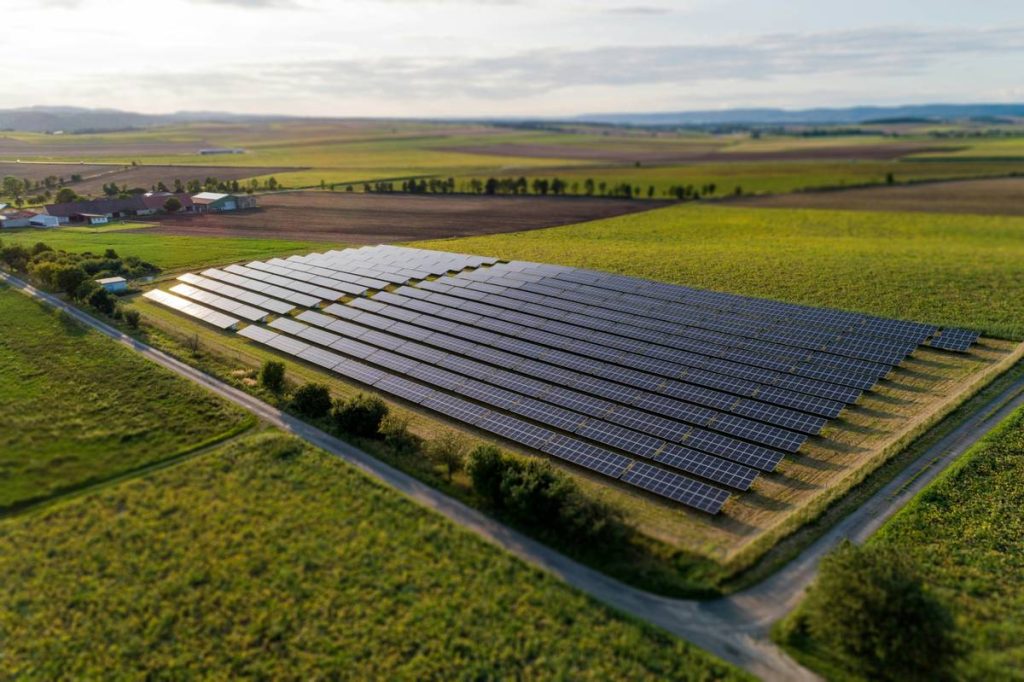
If you’ve ever stared at your monthly electric bill and thought, “There’s got to be a better way,” you’re not alone. But here’s the twist—what if your path to energy independence starts not on your roof, but in your portfolio? While solar inverters power your home, solar energy stocks can power your financial future. Yet far too many investors treat them like any other tech play—and end up burned.
In this guide, we’ll cut through the hype around renewable investing and focus on what actually moves the needle: actionable strategies grounded in real market behavior, technical insight from the solar hardware side, and lessons learned the hard way (yes, I’ve lost money on this too). Below, you’ll find a clear roadmap to evaluate, select, and hold solar energy stocks without falling for common traps.
Table of Contents
- Why Solar Stocks Matter for Homeowners
- How to Invest in Solar Energy Stocks: Step-by-Step
- Best Practices for Smart Solar Investing
- Real-World Results from Solar Stock Holdings
- Frequently Asked Questions
Key Takeaways
- You don’t need to install panels to benefit from the solar boom—strategic stock picks offer exposure with less upfront cost.
- Not all “green” companies are created equal; some solar firms rely heavily on government subsidies that can vanish overnight.
- Diversification within the sector (manufacturers, installers, component makers) reduces volatility.
- Timing matters: policy shifts like the Inflation Reduction Act significantly impact valuations.
- Your experience with solar inverters gives you unique insight into which companies build durable, efficient tech.
Why Solar Stocks Matter for Homeowners
Most people think of home improvement as paint colors or kitchen remodels. But today’s savvy homeowners see their property as an energy asset. And while you’re optimizing your home’s conversion of sunlight into usable power via solar inverters, why not also invest in the companies enabling that transformation?
Here’s where things get personal. A few years back, I installed a budget inverter that sounded great on paper—high efficiency, sleek design. Within 18 months, it failed during a heatwave, frying two batteries. The company? Already delisted from the NYSE. That’s when I realized: investing in solar energy stocks isn’t just about returns—it’s about backing firms with engineering rigor and long-term viability.
How to Invest in Solar Energy Stocks: Step-by-Step
1. Understand the Solar Value Chain
Solar isn’t one industry—it’s layers. There are polysilicon producers, panel manufacturers (like First Solar), inverter developers (Enphase, SolarEdge), installation companies (Sunrun), and utility-scale developers. Each carries different risk profiles. As someone who’s wrestled with MPPT algorithms in inverters, I lean toward component makers—they solve tangible engineering problems.
2. Check Policy Tailwinds
The U.S. Department of Energy reports that the Inflation Reduction Act could drive over $369 billion into clean energy by 2032 (energy.gov). Stocks aligned with these incentives—especially those making domestically produced hardware—tend to outperform.
3. Analyze Balance Sheets, Not Just Buzzwords
Avoid companies burning cash to acquire customers with no path to profitability. Look for positive operating margins and manageable debt. If a firm can’t sustain itself without perpetual subsidies, it’s a risky bet—even if its mission is noble.
Best Practices for Smart Solar Investing
- Diversify across subsectors: Don’t put everything in panel makers; include inverter and storage plays.
- Ignore the “greenwash”: Some ETFs labeled “clean energy” include natural gas firms. Read holdings carefully.
- Use dollar-cost averaging: Solar stocks are volatile. Invest fixed amounts monthly to smooth entry points.
- Never follow hot tips from Reddit: I once bought a micro-cap solar stock because a forum called it “the next Tesla.” It went to zero. Don’t be me.
Terrible tip alert: “Just buy anything with ‘solar’ in the name.” Nope. Naming rights ≠ business model. Always verify revenue sources.
Real-World Results from Solar Stock Holdings
Consider Enphase Energy (ENPH). From 2020 to 2022, its stock surged over 500%—not because of vague “green” sentiment, but due to real demand for its IQ8 microinverters, which solved critical grid-islanding issues during outages. According to data from the Solar Energy Industries Association (seia.org), U.S. inverter shipments grew 34% year-over-year in 2023, directly benefiting firms with quality hardware.
Conversely, companies focused solely on leasing models without owning IP saw sharp declines when interest rates rose. The lesson? Invest in firms that manufacture, innovate, and own their technology—not just those selling contracts.
Frequently Asked Questions
Are solar energy stocks a good long-term investment?
They can be—if you select companies with strong balance sheets, real technological advantages, and exposure to supportive policies. Avoid speculative names without recurring revenue.
What’s the difference between investing in solar panels vs. solar stocks?
Buying panels is a capital expense that reduces your bills. Buying solar energy stocks is an investment that may generate capital gains or dividends—but comes with market risk.
Which solar stocks pay dividends?
Most pure-play solar firms reinvest profits and don’t pay dividends. However, diversified utilities with large solar portfolios (like NextEra Energy) often do.
How do interest rates affect solar stocks?
Rising rates increase financing costs for both consumers and solar installers, slowing adoption and pressuring stock valuations—especially for high-growth, low-profit companies.
Should I invest in solar ETFs instead of individual stocks?
ETFs like TAN (Invesco Solar ETF) offer instant diversification and lower risk. For beginners, they’re often smarter than picking single names.
Can my home solar system influence my stock choices?
Absolutely. If you’ve had reliability issues with certain inverters, that firsthand experience informs which manufacturers deserve your investment confidence.
Ready to align your home improvement goals with smart financial strategy? We’ve walked this path ourselves—learn more about our journey on the About Us page. Got questions about integrating solar tech and investing? Contact us—we respond personally. And remember, we never share your data; our full Privacy Policy explains how we protect your trust.
Bottom line: Your roof captures photons. Your portfolio should capture value. Do both wisely.